
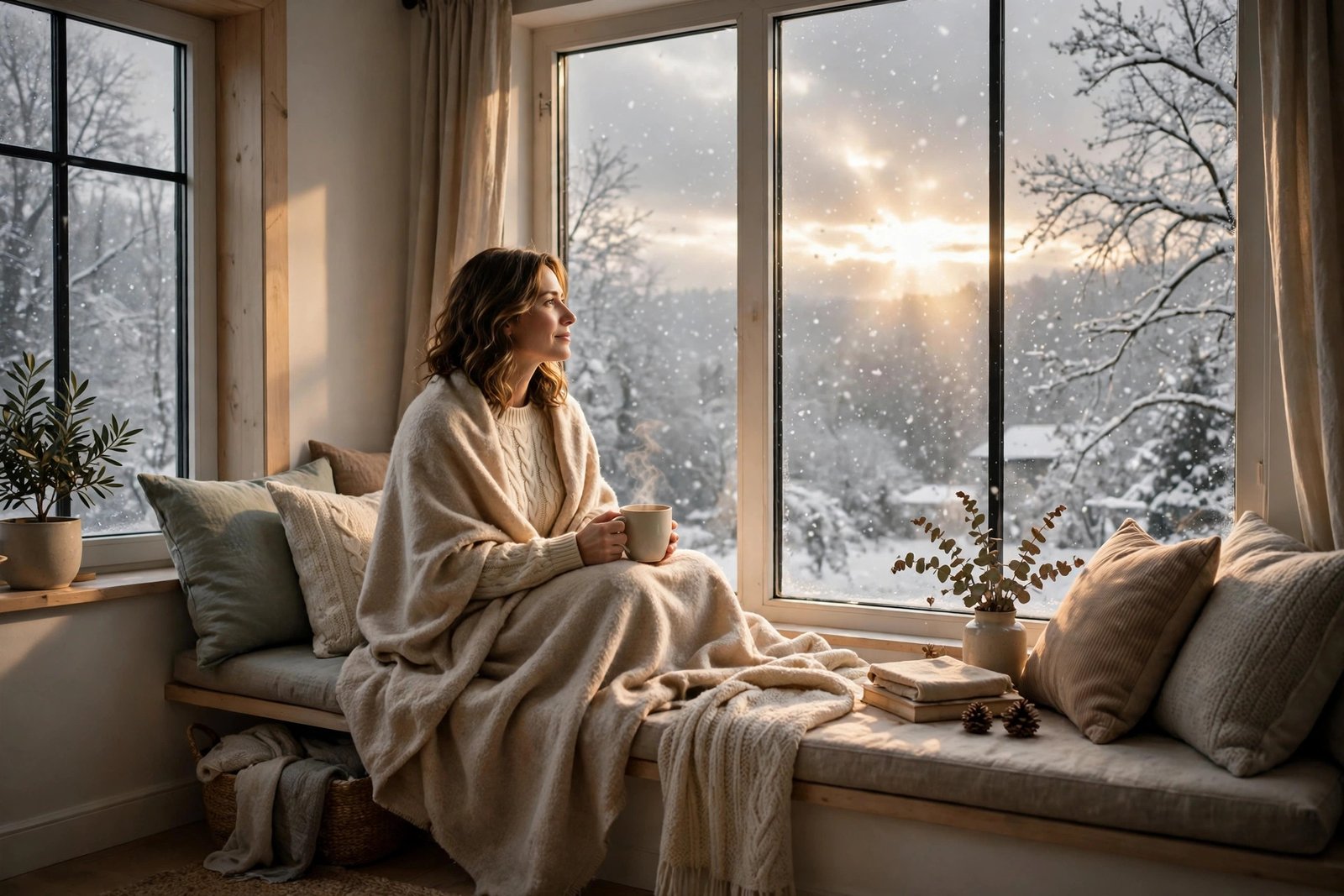

When the days grow shorter and gray skies settle over Northeast Ohio, many people in Cleveland notice a familiar heaviness creeping in. If your mood dips every fall and lifts again in spring, you may be experiencing seasonal depression in Cleveland, a recurring form of depression tied to the changing seasons. The Serene Path Wellness team in Highland Heights works with individuals across the greater Cleveland area to understand this pattern and build practical ways through the darker months.
What Is Seasonal Depression?
Seasonal depression is commonly known as seasonal affective disorder, or SAD. According to MedlinePlus of the U.S. National Institutes of Health, it is a type of depression that comes and goes with the seasons. It usually starts in late fall or early winter and goes away during the spring and summer. A less common form begins in spring or summer, but that pattern is much rarer.
Like other forms of depression, seasonal depression is a real health condition, not a character flaw or a lack of willpower. Understanding the pattern is the first step toward managing it.
Signs and Symptoms of Seasonal Depression in Cleveland
The National Institutes of Health lists the following symptoms of seasonal affective disorder:
- Persistent sadness or a gloomy outlook
- Feeling hopeless, worthless, or irritable
- Loss of interest or pleasure in activities you used to enjoy
- Low energy and fatigue
- Oversleeping or difficulty sleeping
- Carbohydrate cravings and weight gain
- Difficulty concentrating
- Pulling away from friends and social activities
- Thoughts of death or suicide
These signs usually appear as the days shorten, last for weeks or months, and then lift when spring arrives. If the same pattern returns year after year, that is a strong signal that you may be dealing with seasonal depression rather than a passing rough patch.
Why Cleveland Winters Can Make It Harder
Ohio sits well north of the equator, and research cited by MedlinePlus shows seasonal depression is more common in women, young people, and those who live farther from the equator. Cleveland adds its own challenge: long stretches of lake-effect cloud cover can mean weeks with very little direct sunlight.
Scientists do not know the exact cause of seasonal depression, but the National Institutes of Health notes that people with SAD may have an imbalance of serotonin, a brain chemical that affects mood. Their bodies may also make too much melatonin, the hormone that regulates sleep, and not enough vitamin D. When daylight drops off sharply each fall, these systems can fall out of sync.
This is why winter in Cleveland can feel so much heavier than a few gloomy days. If you are already sensitive to seasonal changes, the shorter, darker days of Northeast Ohio can tip that sensitivity into a genuine depressive episode.
Winter Blues or Seasonal Depression: How Can You Tell?
This is one of the most common questions people ask, and it matters. The winter blues are a mild, short-lived dip in mood that comes and goes without disrupting your daily life. Seasonal depression is different: the symptoms last for weeks or months, interfere with work, school, or relationships, and follow a recurring yearly pattern.
A helpful question to ask yourself is whether the pattern gets in the way of your life. If you are skipping commitments, struggling at work, sleeping far more than usual, or feeling hopeless as the seasons change, that goes beyond the blues. A professional evaluation can help you tell the difference and point you toward the right support.
Treatment Options and Ways to Cope
The good news is that seasonal depression is treatable, and many people feel significantly better with the right combination of approaches. MedlinePlus notes that the main treatment is light therapy, which replaces the sunshine missed during fall and winter by sitting in front of a bright light box each morning. Antidepressant medicines and talk therapy can also reduce symptoms, either alone or combined with light therapy.
Here are approaches that are commonly recommended:
Light therapy. Exposure to bright, artificial light in the morning can help reset the body’s sleep and mood systems. Talk to your physician or a mental health professional before starting light therapy so you use a safe, effective setup.
Talk therapy. Evidence-based talk therapy, such as cognitive behavioral therapy, helps many people manage depression symptoms and build coping strategies. Our individual therapy services in Highland Heights support Cleveland-area clients dealing with seasonal mood changes and other depression symptoms.
Daily habits. Regular exposure to natural daylight, consistent exercise, a steady sleep schedule, and staying connected to friends and family can all soften symptoms. On gray Cleveland days, even a short walk outside in the morning can help.
Staying connected. Pulling away from people often makes depression worse. Group therapy offers a supportive space where you do not have to face the season alone.
Medication. Antidepressant medicines can help some people with seasonal depression, and some doctors begin them in early fall before symptoms start. This is a personal medical decision to discuss with your physician.
When to Seek Help for Seasonal Depression in Cleveland
Consider reaching out for professional support if your symptoms last two weeks or more, return every fall or winter, or start interfering with your work, relationships, or daily routine. A licensed therapist can help you understand your pattern, build coping strategies, and decide whether talk therapy, light therapy, or a combination makes sense for you.
If you have thoughts of harming yourself, reach out right away. You can call or text 988 in the United States to connect with the Suicide and Crisis Lifeline at any hour. For ongoing support, our individual therapy team serves Highland Heights and the greater Cleveland area.
Frequently Asked Questions
What is seasonal depression?
Seasonal depression, or seasonal affective disorder, is a type of depression that follows a seasonal pattern. It usually begins in late fall or early winter and eases in spring and summer. Symptoms mirror those of major depression and return at roughly the same time each year.
When does seasonal depression usually start?
Most people notice symptoms in the fall as daylight hours shrink, often in October or November, with the pattern lasting four to five months through winter. A smaller group experiences symptoms starting in spring or summer, but that pattern is much less common.
Is seasonal depression the same as the winter blues?
No. The winter blues are mild and short-lived and do not interfere with daily life. Seasonal depression lasts for weeks or months, disrupts work, school, or relationships, and returns in a yearly pattern. A professional evaluation can help you tell them apart.
What helps seasonal depression?
According to the National Institutes of Health, light therapy is the main treatment, and antidepressant medicines and talk therapy can reduce symptoms, alone or combined with light therapy. Daily habits like morning daylight exposure, regular exercise, consistent sleep, and staying socially connected also help. If symptoms persist, talking to a therapist or physician is a good next step.
Ready to Take the First Step?
If the darker months are weighing on you, you do not have to face them alone. The Serene Path Wellness offers warm, judgment-free support for individuals dealing with seasonal depression across Highland Heights and the greater Cleveland area. Call us at 216.238.9897 or reach out through our contact page to start a confidential conversation about how therapy can help.
This article is for general educational purposes only and is not a substitute for professional medical advice, diagnosis, or treatment. If you are concerned about your mental health, please speak with a qualified healthcare provider.






Leave a Reply